

History of the Project
1990s until 2013DAI-Phase
E. Paulin-Grothe
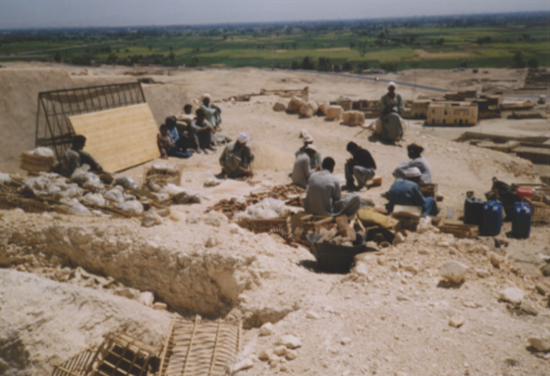
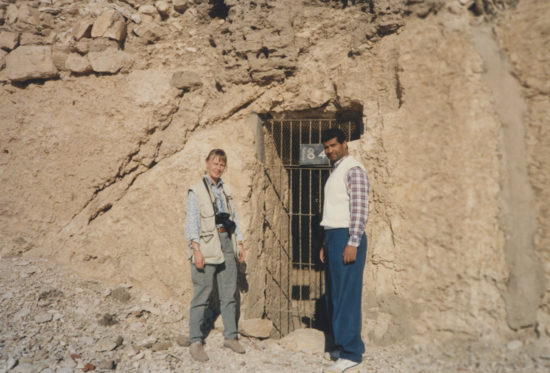
In the 1990s, archaeological and epigraphic investigations were carried out at TT95A/B and TT84 (including K453 and K90) under the direction of the Deutsches Archäologisches Institut Abteilung Kairo (DAIK/DAI). Open tomb entrances were secured with iron doors. The local antiquities authority (SCA) cleaned the wall paintings in TT95A, whilst the DAI undertook conservation work in TT84.
A research team from the University of Munich led by Andreas Nerlich carried out anthropological studies in 1996/97, during which a wooden toe prosthesis was discovered on a female mummy. In 1997, a brief investigation in K555 identified its owner as Amenhotep.
Between 2003 and 2013, eight excavation seasons took place at TT95, supported by the University of Basel. This period also saw restoration and conservation work – including at TT84 – as well as a further anthropological study.
2014 until 2023LHTT
M. Kačičnik
Transfer to the University of Basel (2014)
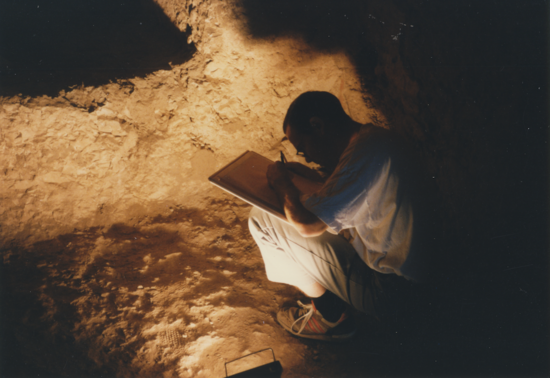
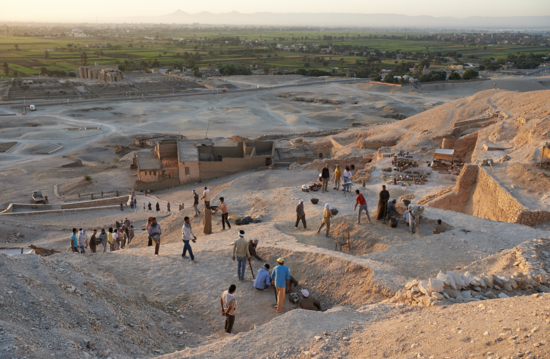
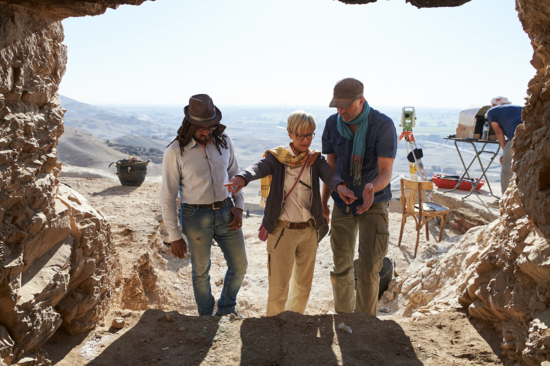
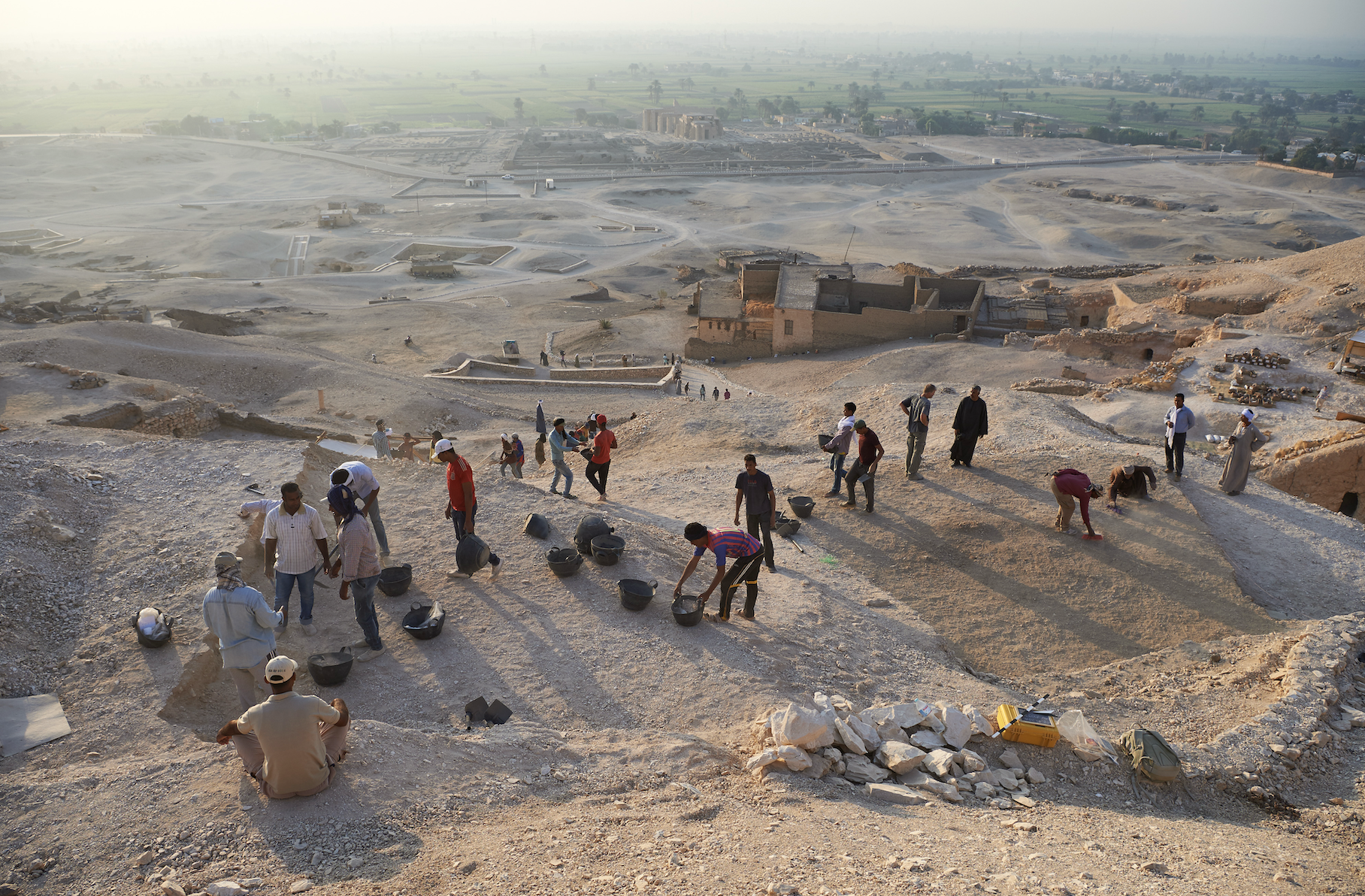
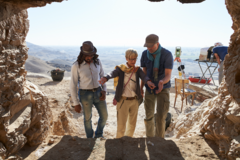
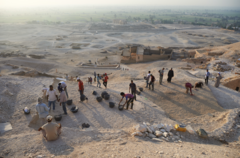
In 2014, the Egyptian Ministry of Antiquities approved transferring the research permission from the DAI to the University of Basel. Preparatory investigations were carried out in 2014/2015 to plan the excavation at the AU1000 debris cone, document the connection between TT84 and K555, test laser scanning methods and investigate geological issues.
LHTT (2015–2023)
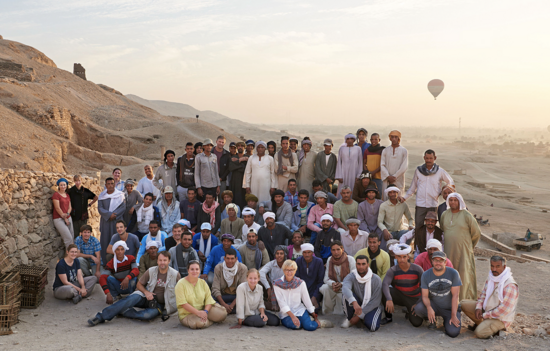
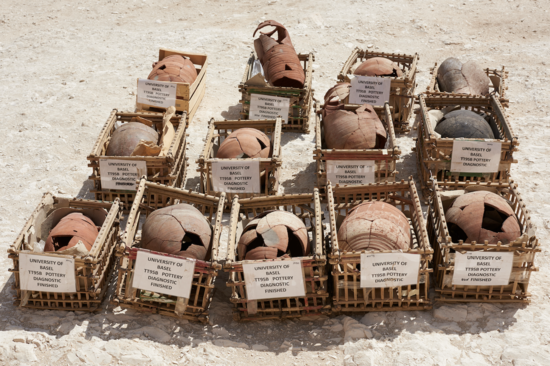
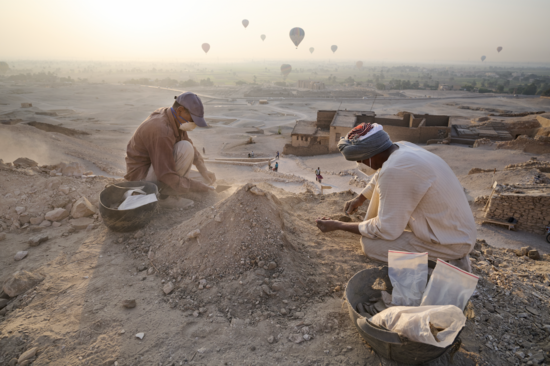
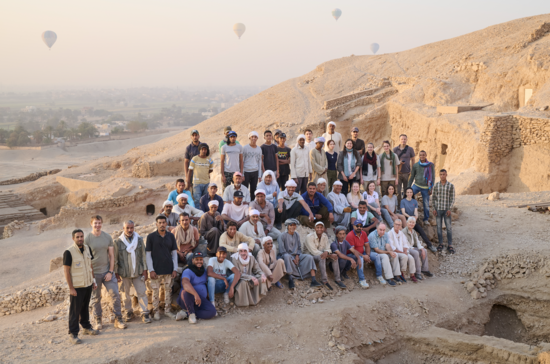
Since then, the project, led by the University of Basel, has carried out seven field seasons up to spring 2019, in collaboration with the University of Zurich (IEM; Evolutionary Pathophysiology and Mummy Studies, bioarchaeology) and ETH Zurich (engineering geology, geodesy), as well as an international team of experts. During this time, it was funded by the Gertrud Mayer Foundation Basel and the Swiss National Science Foundation. In addition, four research visits were made to the Egyptian Museum in Cairo in 2016/2017 to reassess the toe prosthesis and inscribed mummy bandages.
Since 2018, chemical analyses of pigment, mortar and plaster samples have also been carried out by specialists in Cairo, supplemented by wood analyses at Cairo University.
seit 2023LHTTprojects.
M. Kačičnik
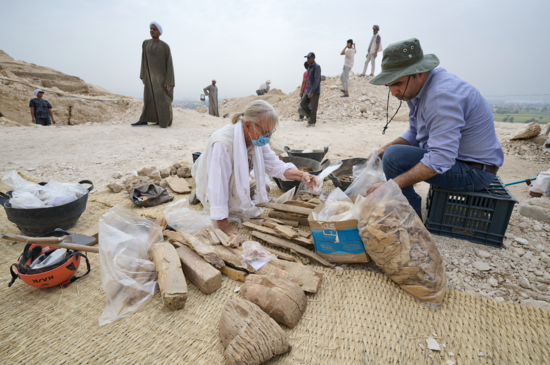
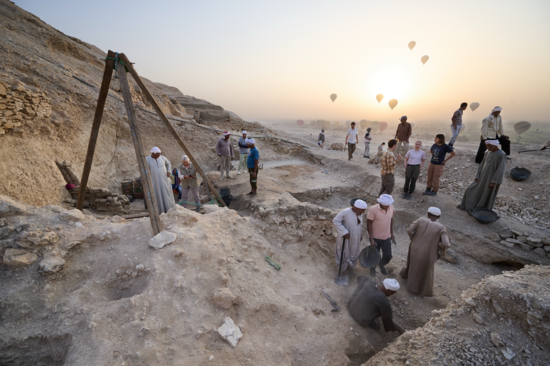
Since 2023, the project has focused on the area around K555, south of TT84, and on TT 95. Over the course of several excavation seasons, the antechamber and interior of the tomb have been fully excavated, revealing numerous burials, wall paintings and evidence of Coptic re-use. In the forecourt of K555, Shaft H – approximately 13 metres deep – was also investigated: several coffins and mummies have already been recovered. The chambers at the lower end of the shaft system will be investigated in the near future. In addition, a previously unknown neighbouring tomb (AU3000) was discovered and has since been gradually investigated.
The current research seasons focus on architectural documentation, the conservation of the recovered finds, and the further investigation of this new tomb (AU3000).
Quick Links