

Swiss Mission at Sheikh 'Abd el-QurnaLife Histories of Theban Tombs (LHTT)
M. Kačičnik
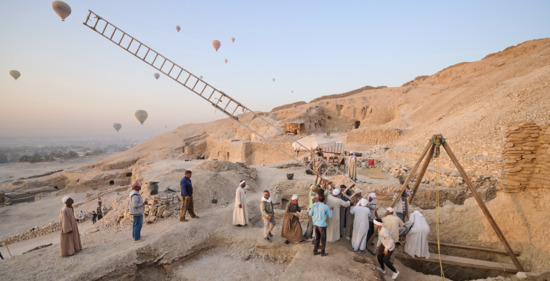
Since 2015, the University of Basel’s «Life Histories of Theban Tombs» (LHTT) project has been researching a group of rock-cut tombs on the hill of Sheikh ʿAbd el-Qurna in the Theban necropolis (Luxor, Egypt). The project takes a specific approach: the tombs are not viewed as structures from a single era, but as spaces with their own «life histories» – from their conception and construction in the New Kingdom, through repeated appropriation, repurposing and habitation, to their modern-day study. To reconstruct these histories of use spanning more than three millennia, the project combines archaeological, epigraphic, geological, geodetic and bioarchaeological methods within a transdisciplinary research framework. Fieldwork is carried out in close collaboration with the Institute of Evolutionary Medicine (IEM) at the University of Zurich (Evolutionary Pathophysiology and Mummy Studies, as well as bioarchaeology), the Institute for Integrative Prehistoric and Natural Science Archaeology (IPNA, University of Basel), and an international team of specialists.

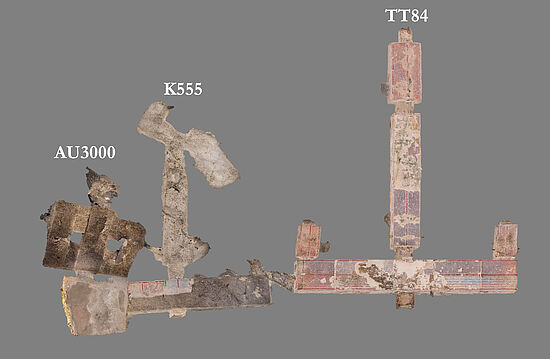
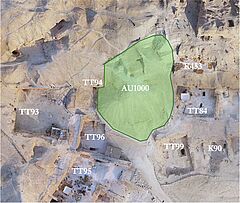
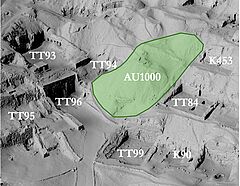
With this project, the University of Basel is continuing a tradition of internationally recognised research in Egyptology. The University of Basel’s Egyptology department has had a presence in Luxor for decades – notably through the University of Basel Kings' Valley Project, led by Susanne Bickel, who is also in charge of the LHTT project.
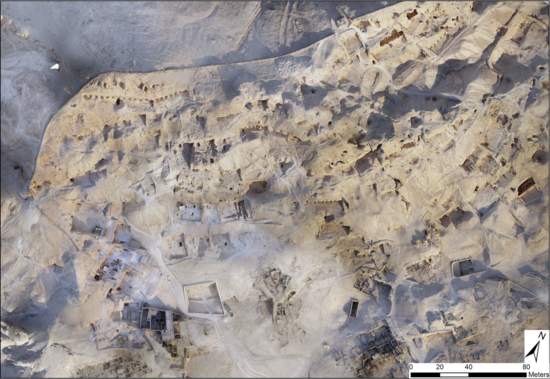
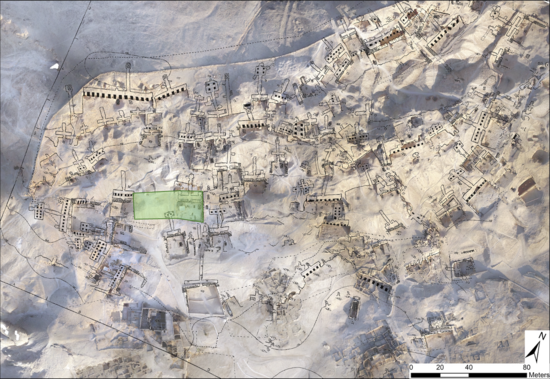
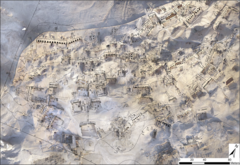
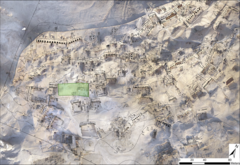
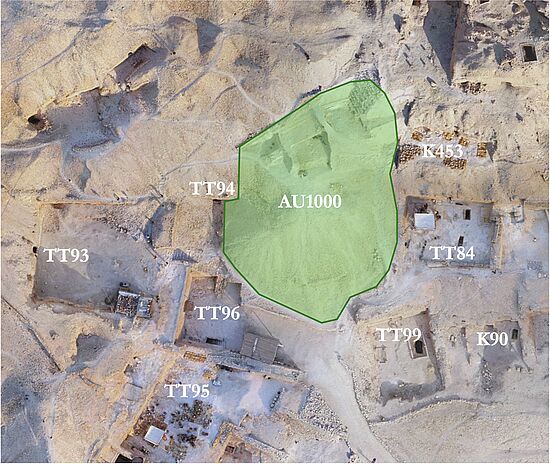
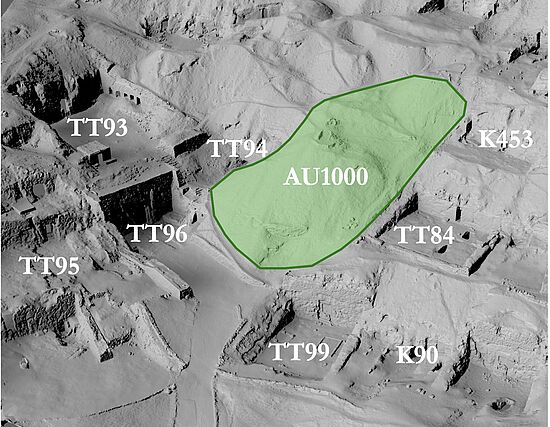
The project’s concession area comprises two large 18th Dynasty tomb complexes, together with their surrounding areas: TT84, built for the official Iamunedjeh under Thutmose III and later taken over by the high priest Mery, with the associated structures K453 and K90; and TT95, the tomb of the same Mery from the reign of Amenhotep II, with the associated structures TT95B and C. In addition, there is the tomb K555 of a scribe named Amenhotep, long hidden beneath a massive mound of rubble (AU1000), and the neighbouring tomb AU3000, newly discovered in 2025. Together, these structures form a densely interconnected cluster of tombs at the centre of one of the most significant elite cemeteries of ancient Egypt.
Quick Links